Historic SiteMemphis, TN
Beale Street
Historic Memphis entertainment district where blues, jazz, and early rhythm and blues helped shape the sound of American popular music.
Why it matters
Before Memphis became synonymous with rock and roll and soul music, Beale Street was already a gathering place for musicians who helped bring the blues into American popular culture.
The story
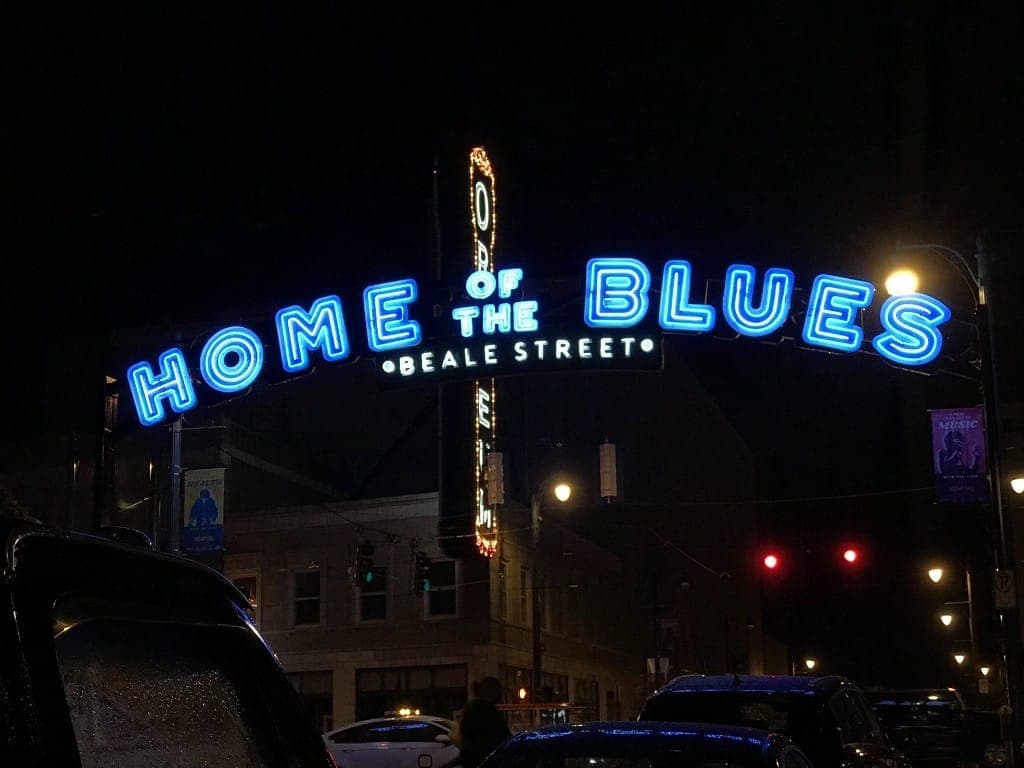
Walk beneath the glowing blue neon sign on Beale Street, and you're standing on one of American music history's most influential streets.
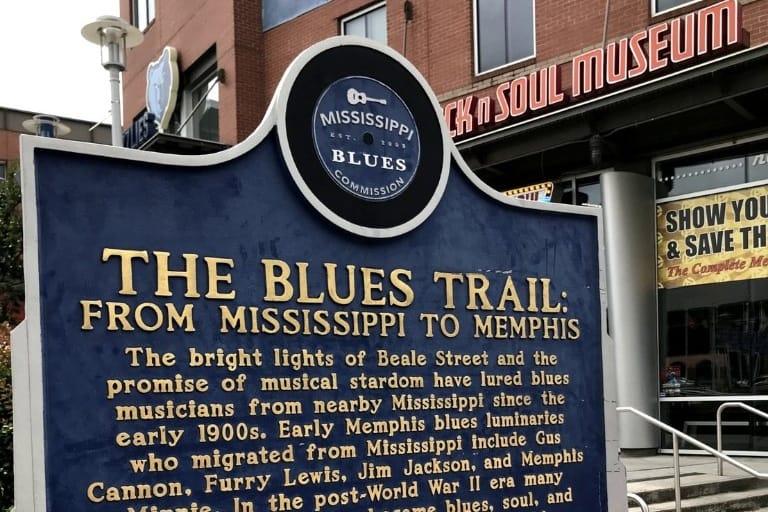
In the early 1900s, Beale Street became a gathering place for musicians from across the South. Blues performers brought sounds shaped by the Mississippi Delta, mixing with ragtime, jazz, and other musical traditions in the street's clubs, theaters, and juke joints. What emerged helped define Memphis's sound and influenced American popular music for generations.
W.C. Handy helped bring the blues to a national audience through his published compositions, while musicians like B.B. King developed their craft in Beale Street's thriving music scene. The street became a proving ground where performers experimented, exchanged ideas, and helped transform regional musical traditions into sounds heard around the world.
That influence reached far beyond the blues. The musical traditions that flourished here helped lay the groundwork for rhythm and blues, rock and roll, and soul, shaping the sounds that would later make Memphis famous.
Decades of decline and urban renewal erased much of the original neighborhood, but its musical influence never faded.
Today, Beale Street's neon lights and live music carry on that legacy. Beneath the "Home of the Blues" sign, the street didn't just celebrate American music. It helped define it.
While you’re here
Busy at night; visit earlier for museums and quieter walking.
Keep exploring Memphis