Historic VenueNashville, TN
Grand Ole Opry
Country music’s longest-running radio show and a living Nashville institution.
Why it matters
Seeing the Opry is less about nostalgia and more about witnessing country music’s ongoing community—new artists still earn their place on this stage.
The story
The Grand Ole Opry began with a fiddle and a radio signal.
In 1925, Nashville radio station WSM launched a program called the WSM Barn Dance. What started as a Saturday-night broadcast of old-time music grew into something much bigger. In 1927, announcer George D. Hay introduced the show with a new name: the Grand Ole Opry.
As its audience grew, the Opry moved through several Nashville venues before settling at the Ryman Auditorium in 1943. For the next 31 years, Saturday nights at the Ryman helped turn Nashville into Music City. Artists such as Hank Williams, Patsy Cline, Bill Monroe, Johnny Cash, and countless others became part of the Opry's story.
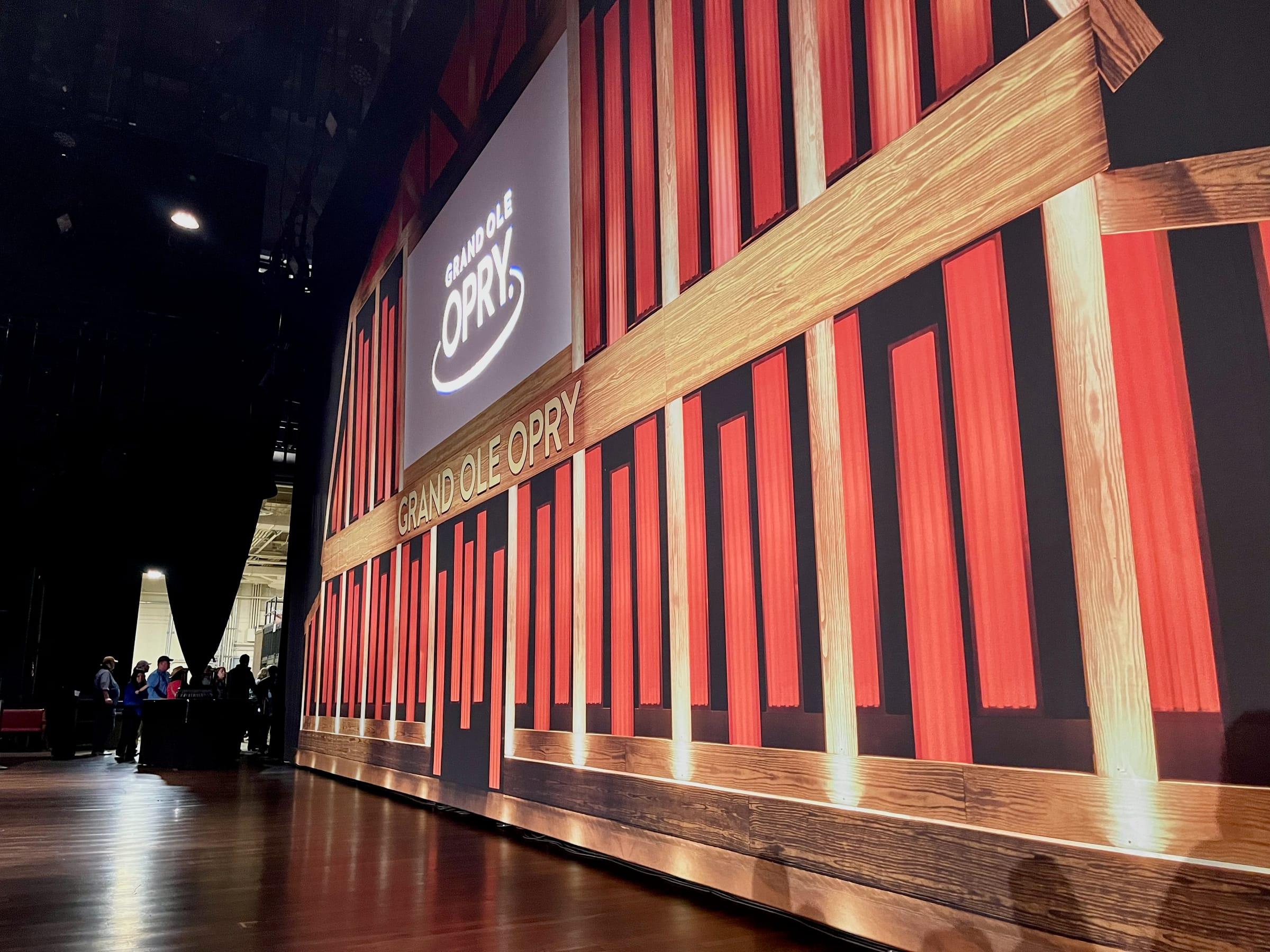
By the early 1970s, the show had outgrown the Ryman. They built a new home specifically for it, and the Grand Ole Opry House opened in 1974. Before leaving the Ryman, workers cut a circle from its wooden stage and placed it at center stage in the new building—a physical connection between the Opry's past and its future.
That circle is still there.
Nearly a century after its first broadcast, the Opry remains a working show, not a monument to what came before. Established stars share the stage with artists making their Opry debuts, while the performance continues to reach listeners far beyond the room.
Stand inside that wooden circle, and you're not just standing on the Grand Ole Opry stage. You're standing on a piece of the Ryman, connected to generations of performers who stood there before you.
While you’re here
Tickets sell out for popular nights; backstage tours may be offered.
Keep exploring Nashville