Recording StudioNashville, TN
RCA Studio B
Historic Nashville recording studio where Elvis Presley, the Everly Brothers, Dolly Parton, and countless others helped create the Nashville Sound and reshape American popular music.
Why it matters
Inside this modest Nashville studio, musicians and producers transformed country music with a polished new sound that crossed over to pop audiences and helped establish Nashville as a major recording capital.
The story
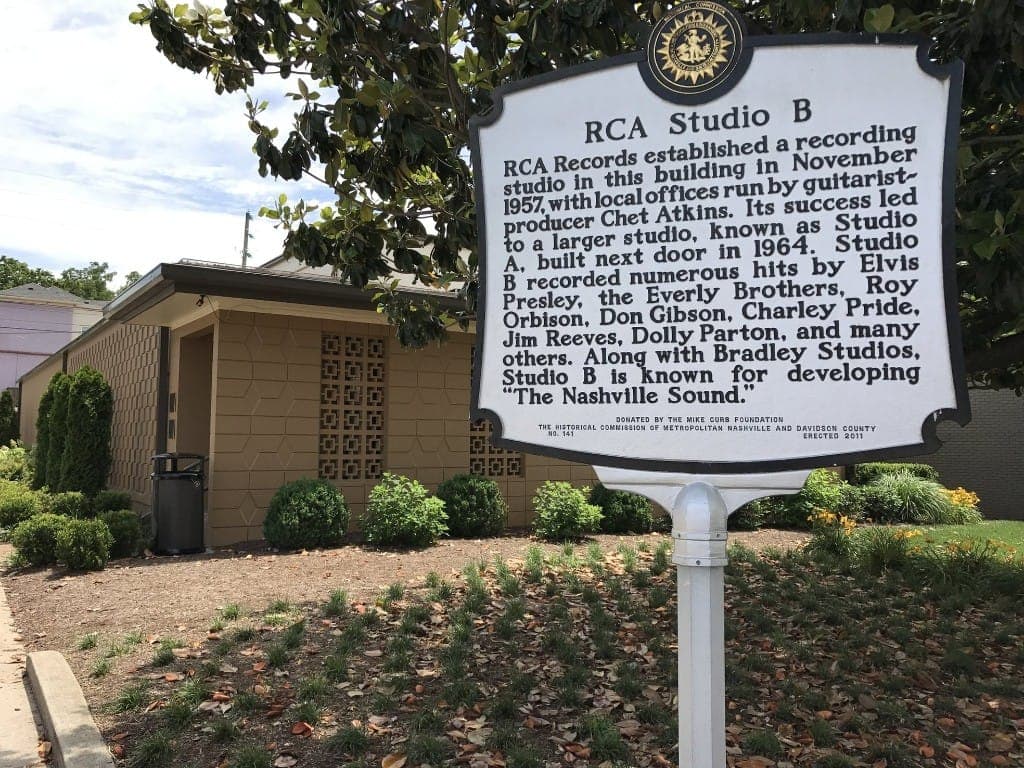
From the outside, RCA Studio B looks like an ordinary brick building on Nashville's Music Row. But behind these walls, some of the most influential recordings in American music history were made.
Opened in 1957, the studio became a birthplace of the Nashville Sound, a smoother, more sophisticated approach to country music that blended traditional instrumentation with orchestral arrangements, background vocals, and pop influences. Producers like Chet Atkins helped develop a sound that carried country music beyond its traditional audience and onto mainstream radio.
Elvis Presley recorded over 200 songs here, including "Are You Lonesome Tonight?" and "It's Now or Never." The Everly Brothers recorded hits like "Cathy's Clown," while Roy Orbison, Jim Reeves, and Dolly Parton added to the studio's remarkable legacy.
But the magic wasn't just in the famous voices. Nashville's legendary session musicians, known as the A-Team, brought these recordings to life with precision and creativity that helped define an era.
Today, Studio B remains a remarkably preserved piece of recording history. Step inside, and you'll find yourself in the room where musicians helped transform Nashville from a country music town into one of the world's great recording centers.
Music connections
While you’re here
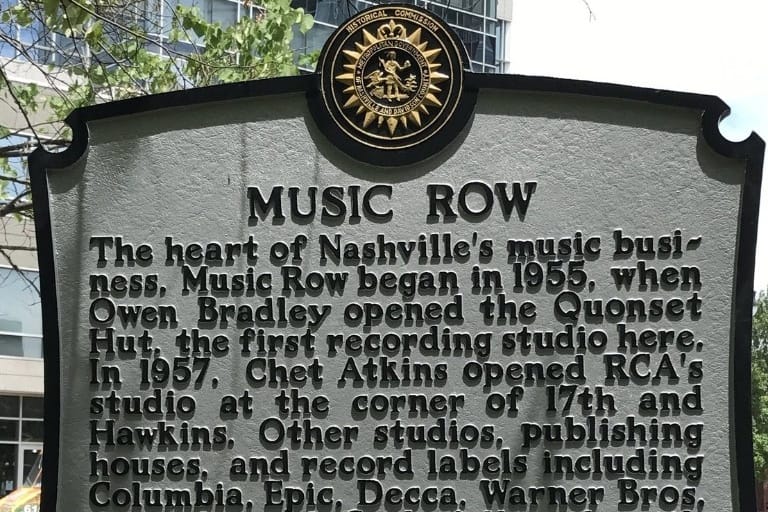
RCA Studio B is accessible through guided tours operated by the Country Music Hall of Fame and Museum. Tours depart from the museum downtown, not the studio itself, so book ahead. If you're exploring Music Row on foot, the historical marker outside makes for a worthwhile stop.
Keep exploring Nashville